Defense Ministry Reports on China's Gray-Zone Tactics and Asymmetric Warfare
A new official report says Beijing is intensifying military pressure on Taiwan and deploying hybrid warfare tactics. It also outlines how Taiwan’s defense ministry plans to respond to the growing threat from across the strait.
Taiwan Defense Report: Beijing’s Pressure and Countermeasures
REPORTER:
A new official report says Beijing is ramping up military pressure on Taiwan, including using hybrid warfare tactics. Alan Lu has more on how Taiwan’s defense ministry plans to counter the threat from China.
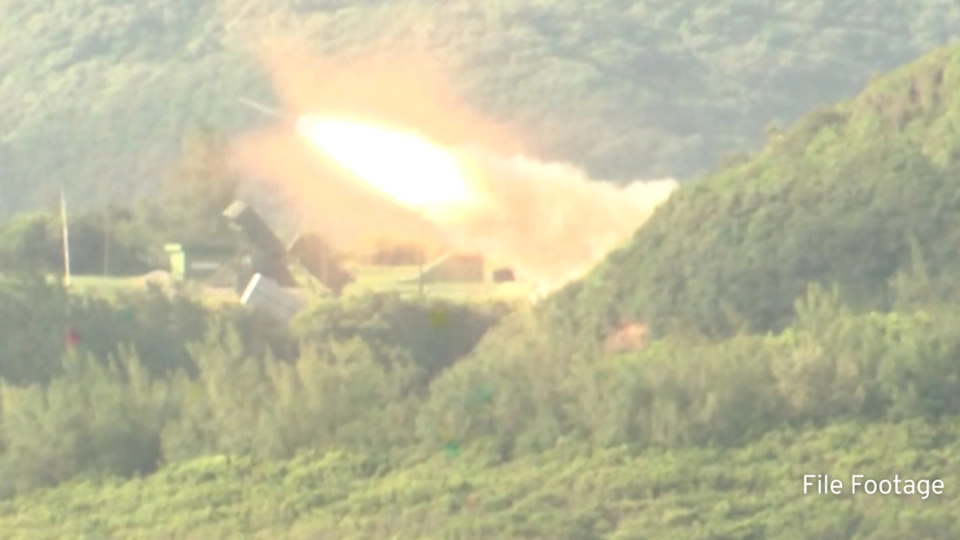
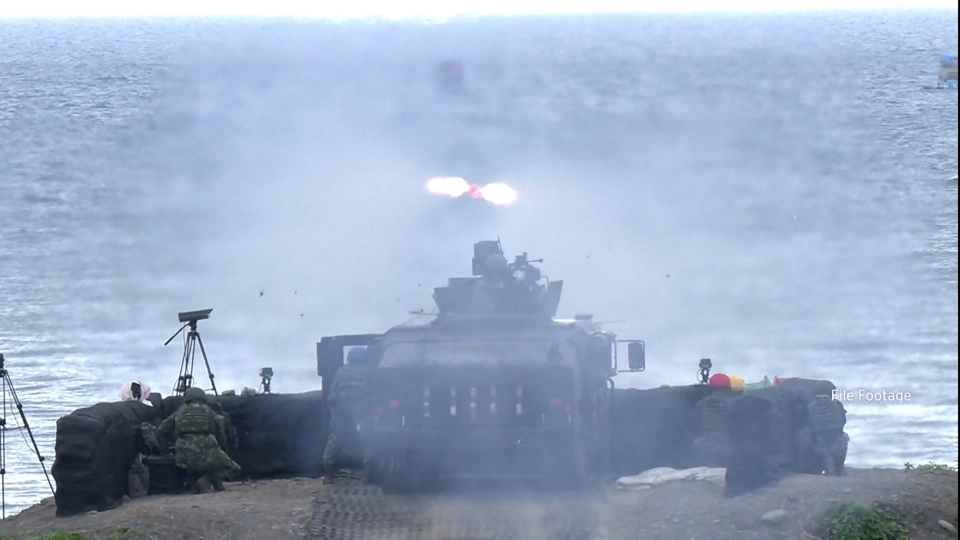
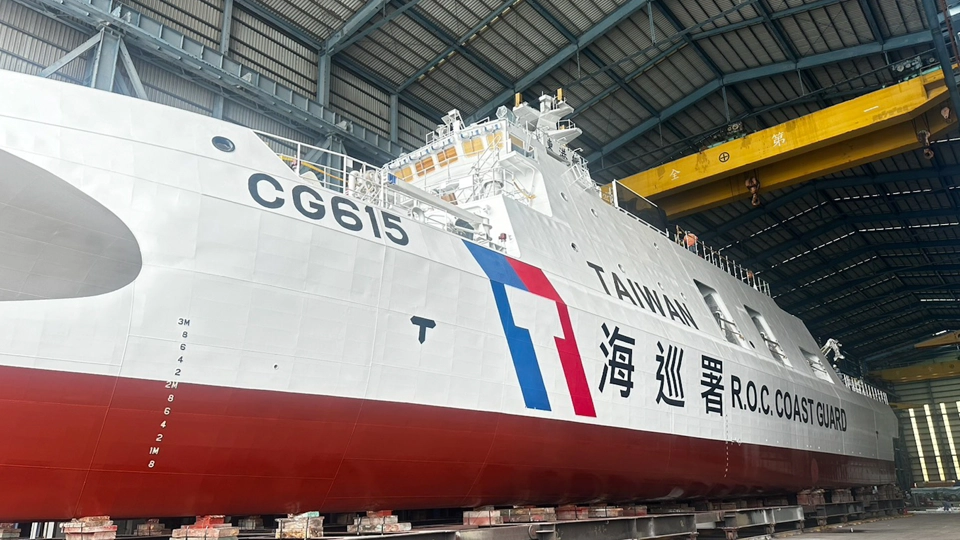
Gray-zone tactics, asymmetric warfare, and US-Taiwan military ties. These are all themes of Taiwan’s 2025 national defense report. It covers both the threats facing Taiwan, and the country’s plan to counter them.
The main content highlights the concrete results of Taiwan’s defense policies over the past two years, including specific actions and data to demonstrate transparency in national defense.
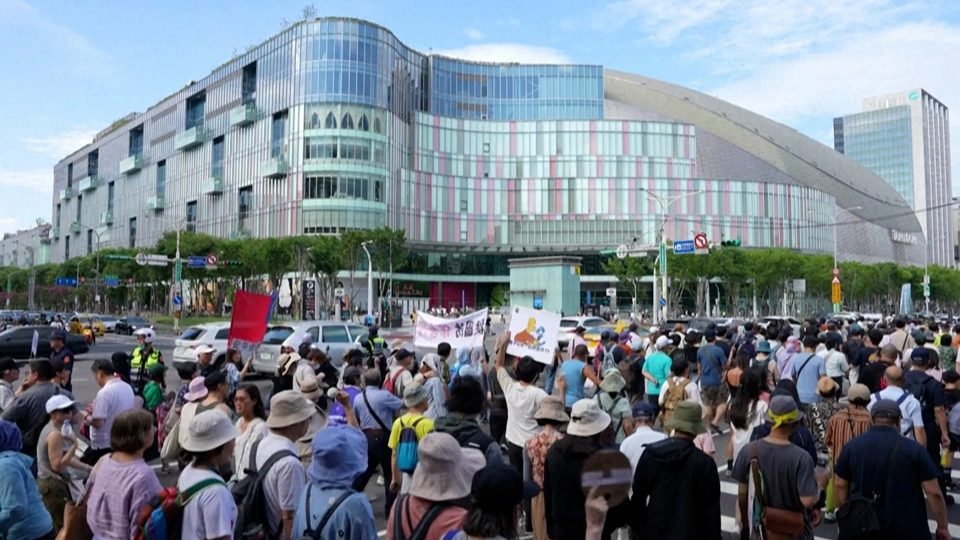
Domestically, it aims to increase public understanding and support for defense efforts, while externally, it shows the international community Taiwan’s commitment to regional peace, stability and self-defense.
REPORTER:
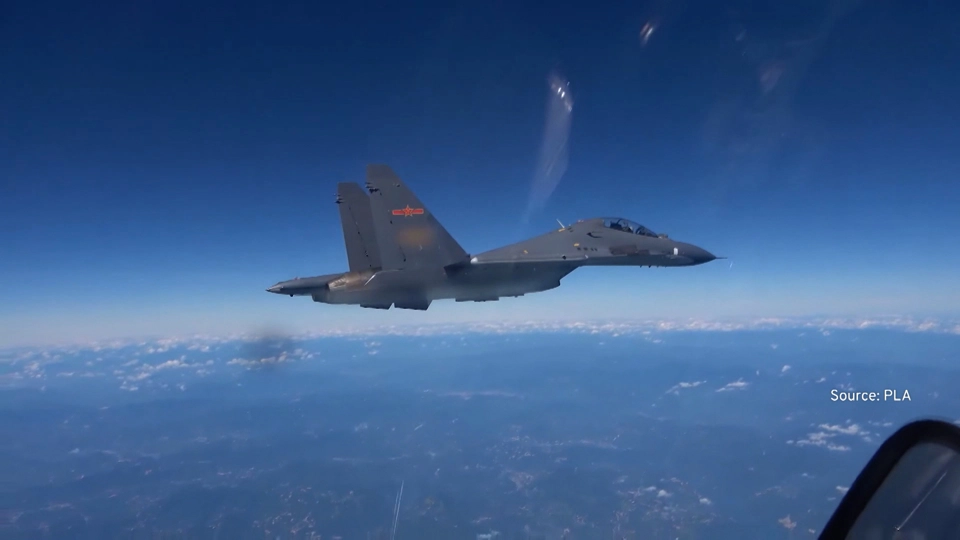
Released on Thursday, the report comes amid rapid military modernization in China -- which claims Taiwan as part of its territory and has not ruled out using force to take it.
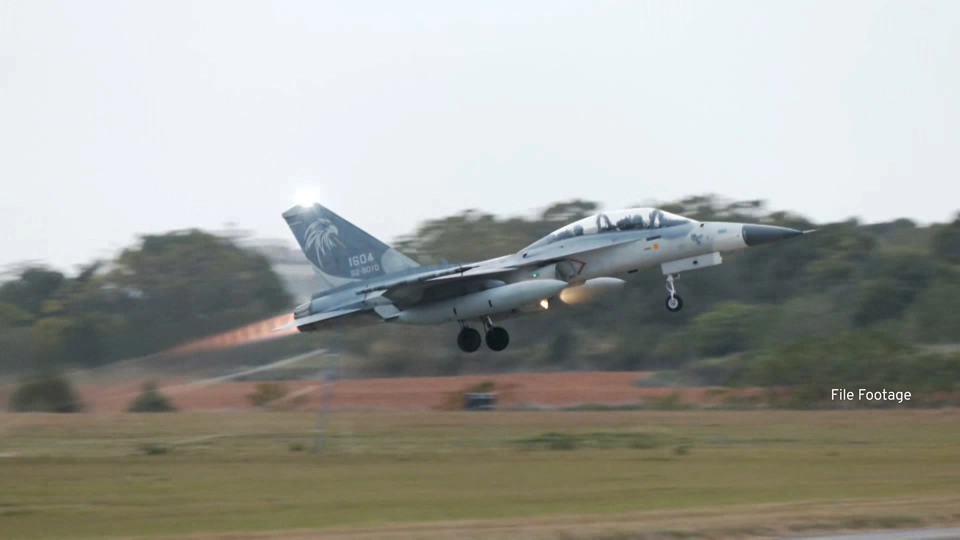
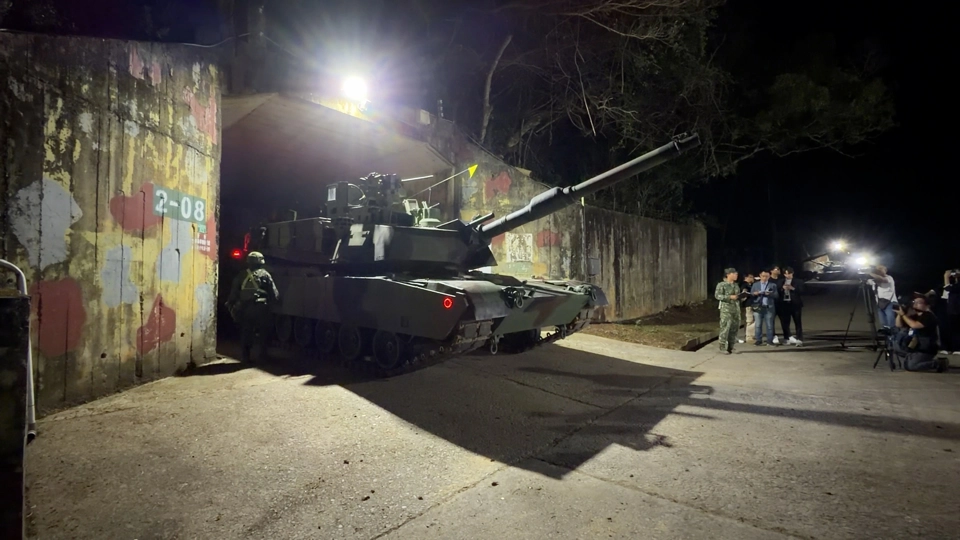
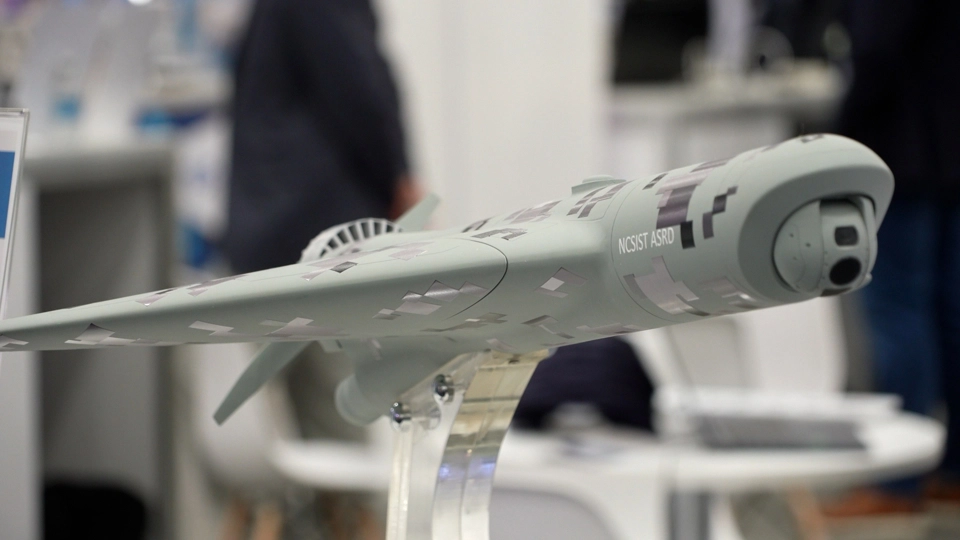
Taiwan has had to adapt quickly by focusing on how to get around its size disadvantage and leverage its geography, as well as using low-cost unmanned weapons.
The report emphasizes Taiwan’s use of what it calls multi-domain denial — a strategy aimed at hindering China on land, in the air and sea, and in space and cyberspace.
Multi-domain denial is about building layered, in-depth defenses. It follows regional strategic policy and adopts an asymmetric-warfare mindset. It’s tailored to face different enemy threats and modes of operation and develops customized tactics and methods to secure victory.
REPORTER:
It’s nothing new — both the U.S. and China have their own multi-domain strategies. But analysts say the report doesn’t go far enough in spelling out Taiwan’s approach.
The U.S. concept of multi-domain operations refers to land, sea, air and space as well as the electromagnetic and cyber domains. And China’s concept of ‘new domains’ basically points to the same areas. It’s just that Taiwan hasn’t yet laid out a clearer direction for developing this concept.
REPORTER:
The report also highlights the U.S. role in bolstering Taiwan’s defense.
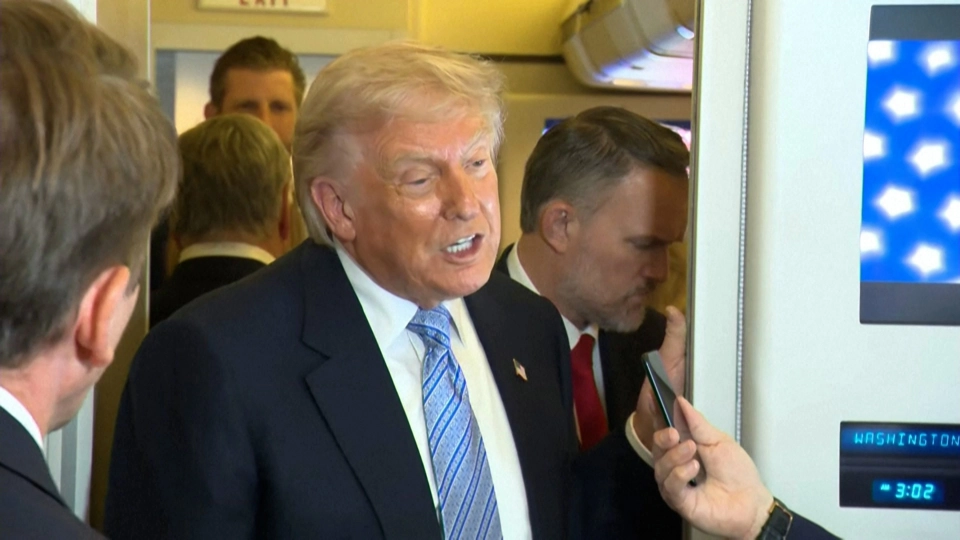
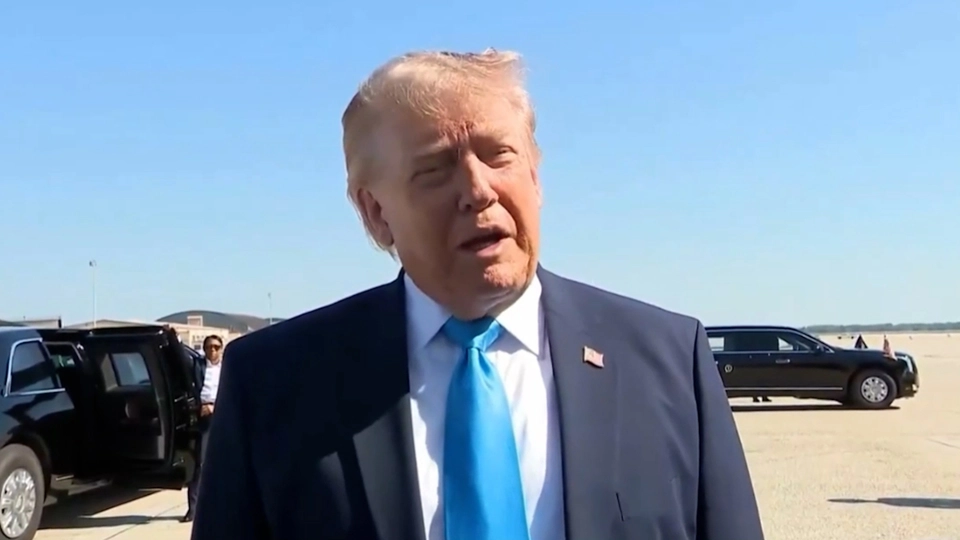
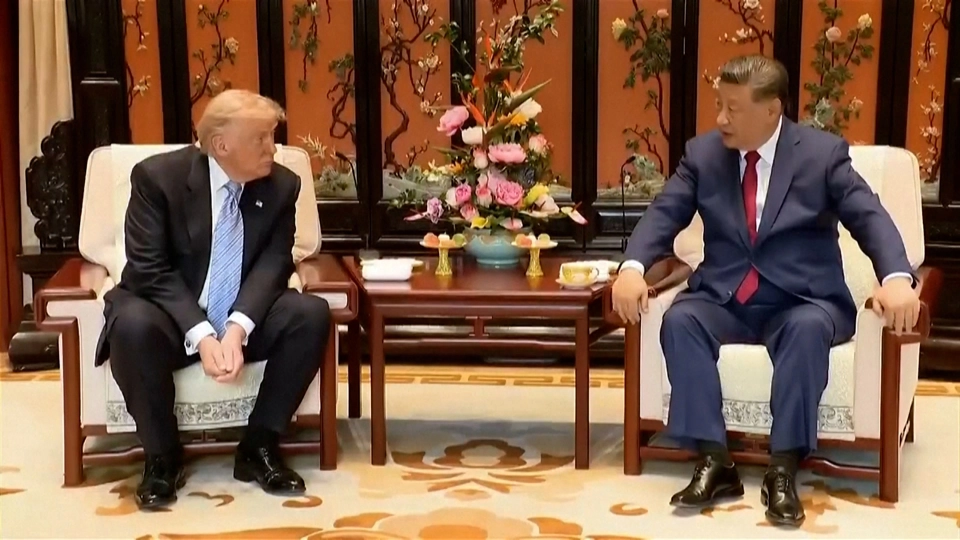
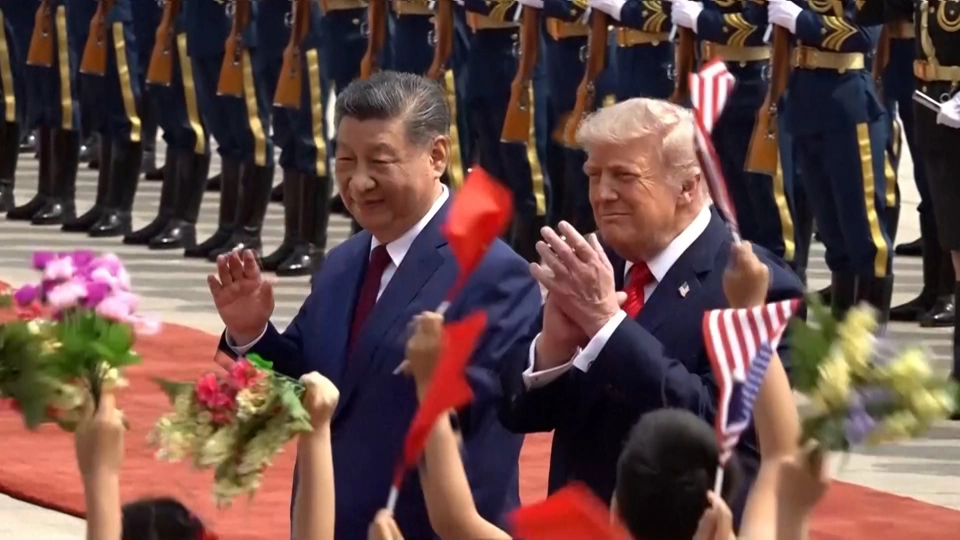
But questions remain over Washington’s commitment. Last month, the Trump administration dropped a 400 million US dollar aid package while seeking a trade deal with China. U.S. officials have also urged Taipei to boost its own defense spending.
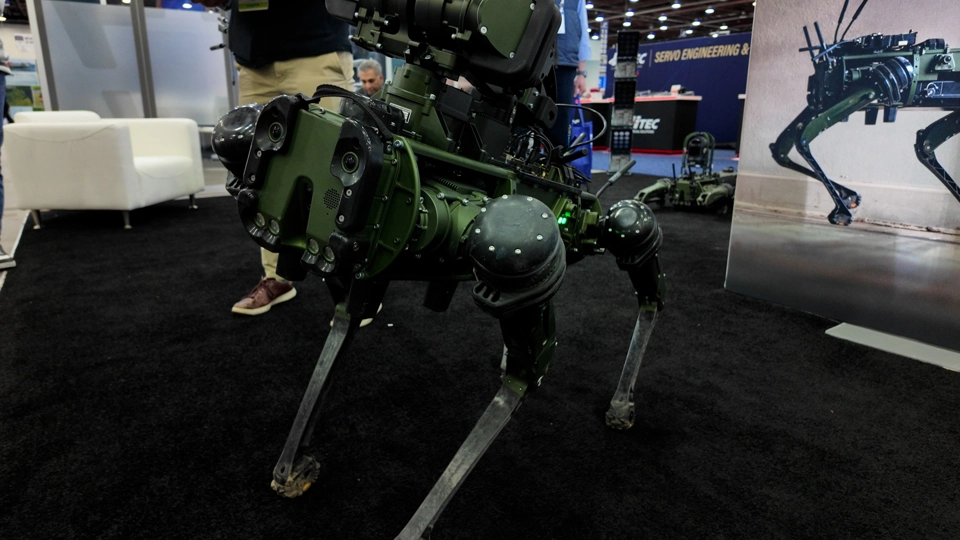
Still, that didn’t stop American arms makers from cozying up to Taiwan at a recent defense expo in Taipei.
At this year’s defense exhibition we saw quite a few impressive collaborations, including partnerships between Taiwan and U.S. defense startups. These collaborations play a big role in helping build asymmetric capabilities in the Taiwan Strait.
This clearly shows that Taiwan-U.S. military cooperation is likely still moving forward and shouldn’t be affected.
REPORTER:
Whether it’s China’s growing investment in drones or its evolving tactics against Taiwan, the 2025 defense report offers little that’s new. It’s mainly a list of threats and potential responses. For Taiwan, the real challenge now is turning these lessons into action.
Fuhua Hung and Alan Lu for TaiwanPlus.